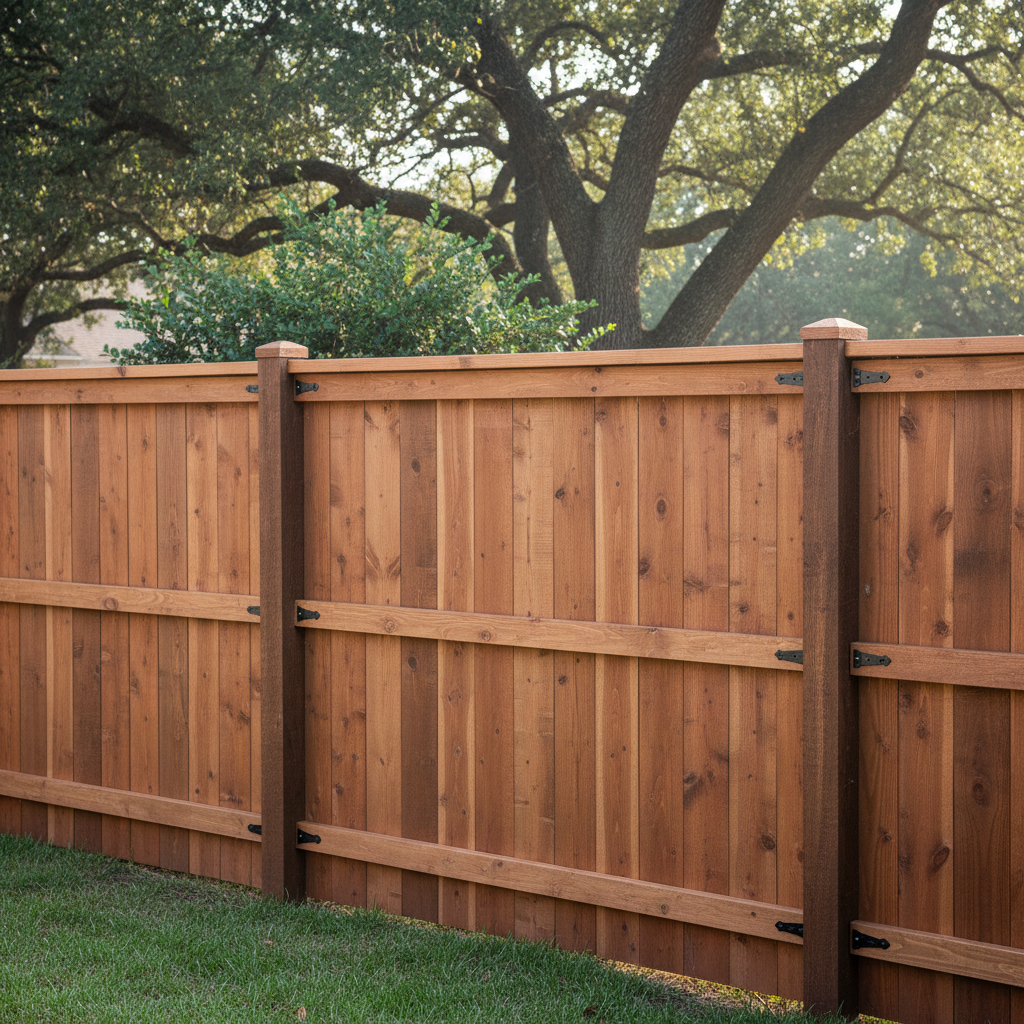
Alright, let's talk fences. Specifically, wood fences. I get a lot of folks asking me if they can build their own, and my answer is always the same: it depends. It's not rocket science, but it ain't a walk in the park either. You gotta know what you're getting into before you even buy the first picket.
Before You Dig: The Planning & Prep Work
This is where most DIY fence projects either succeed or fail before they even start. Don't skip these steps, seriously.
- Know Your Property Lines: This is huge. You don't want to build a fence on your neighbor's land. Get a survey if you're not 100% sure. Property disputes over fences are a real headache, trust me.
- Check Local Ordinances: New Braunfels has rules about fence height, setbacks from property lines, and even materials in some areas. You might need a permit, especially for taller fences or if you're in a historic district. A quick call to the city's planning department can save you a lot of grief.
- Call 811: This is non-negotiable. You absolutely have to call 811 a few days before you plan to dig. They'll mark underground utility lines (gas, water, electric, cable). Hitting one of these isn't just expensive; it can be dangerous.
- Pick Your Wood Wisely: Cedar is popular around here because it's naturally resistant to rot and insects. Pine is cheaper but needs to be pressure-treated. Think about the New Braunfels humidity and occasional heavy rains – you want something that'll hold up.
- Design Your Fence: Sketch it out. Figure out your total linear footage, how many posts you'll need (typically every 6-8 feet), and how many pickets. Don't forget gates!
- Budget: Price out materials. Posts, rails, pickets, concrete, hardware, gate kits. Tools too, if you don't have them. This will give you a realistic idea of costs.
During the Build: Where the Rubber Meets the Road
Okay, you've done your homework. Now it's time to get your hands dirty. This is the physical part, and it's where a lot of folks realize they might've bitten off more than they can chew.
- Setting Posts: This is the foundation of your fence. If your posts aren't plumb (perfectly straight up and down) and properly spaced, your whole fence will look wonky and won't be strong. Digging post holes in that hard Texas soil we often have around here, especially if you hit a lot of rock, can be brutal. You'll need an auger, either a manual one or a powered one. Mix your concrete right, pour it in, and brace those posts until the concrete sets. This isn't a race; take your time.
- Attaching Rails: These are the horizontal pieces that connect your posts and to which you'll attach your pickets. Make sure they're level. Use good quality exterior screws or galvanized nails.
- Installing Pickets: This is the most visible part. Keep your spacing consistent. A small spacer block can help. Start at one end and work your way across. If you're doing dog-ear pickets, make sure they're all facing the same way.
- Building Gates: Gates are tricky. They need to be square, sturdy, and hung correctly so they don't sag over time. This is often where I see DIYers struggle the most. You'll need good hinges and a latch that can withstand the elements and regular use.
After the Fence is Up: Maintenance Matters
You've put in the work, now protect your investment. A wood fence isn't a set-it-and-forget-it deal.
- Staining or Sealing: This is crucial, especially with our Texas sun beating down. It protects the wood from UV damage, moisture, and helps prevent warping and cracking. Do it within a few months of installation, and then every 2-3 years, depending on the product and exposure.
- Regular Inspections: Walk your fence line a couple of times a year. Look for loose pickets, wobbly posts, or signs of insect damage. Catching issues early can save you bigger repairs down the line.
- Clean It: Dirt, mildew, and algae can build up. A gentle power wash (don't get too close or use too high a pressure, you can damage the wood!) or a good scrub with a brush and mild cleaner will keep it looking good.
When to Call a Pro (Like Us!)
So, when is it time to hang up the hammer and pick up the phone? Here's my honest take:
- Time is an Issue: If you don't have several weekends (or even weeks) to dedicate to this, a pro will get it done much faster.
- Physical Limitations: Digging holes, lifting heavy bags of concrete, and wrestling long lumber pieces is hard work. If you're not up for that, don't push it.
- Complex Terrain: Got a sloped yard? Lots of rocks? Uneven ground? That makes fence building a lot harder to get right.
- Perfection is Key: If you want a perfectly straight, perfectly level fence that's built to last for decades, a professional fence company like New Braunfels Fencing Pros has the experience, the specialized tools, and the crew to make that happen. We do this every day.
- Permit Headaches: If the permitting process seems daunting, we handle that for you.
Look, building a fence yourself can be a rewarding project. But don't underestimate the effort and skill involved. If you're feeling overwhelmed at any point, or you just want the peace of mind knowing it's done right, give us a shout. We're here to help.