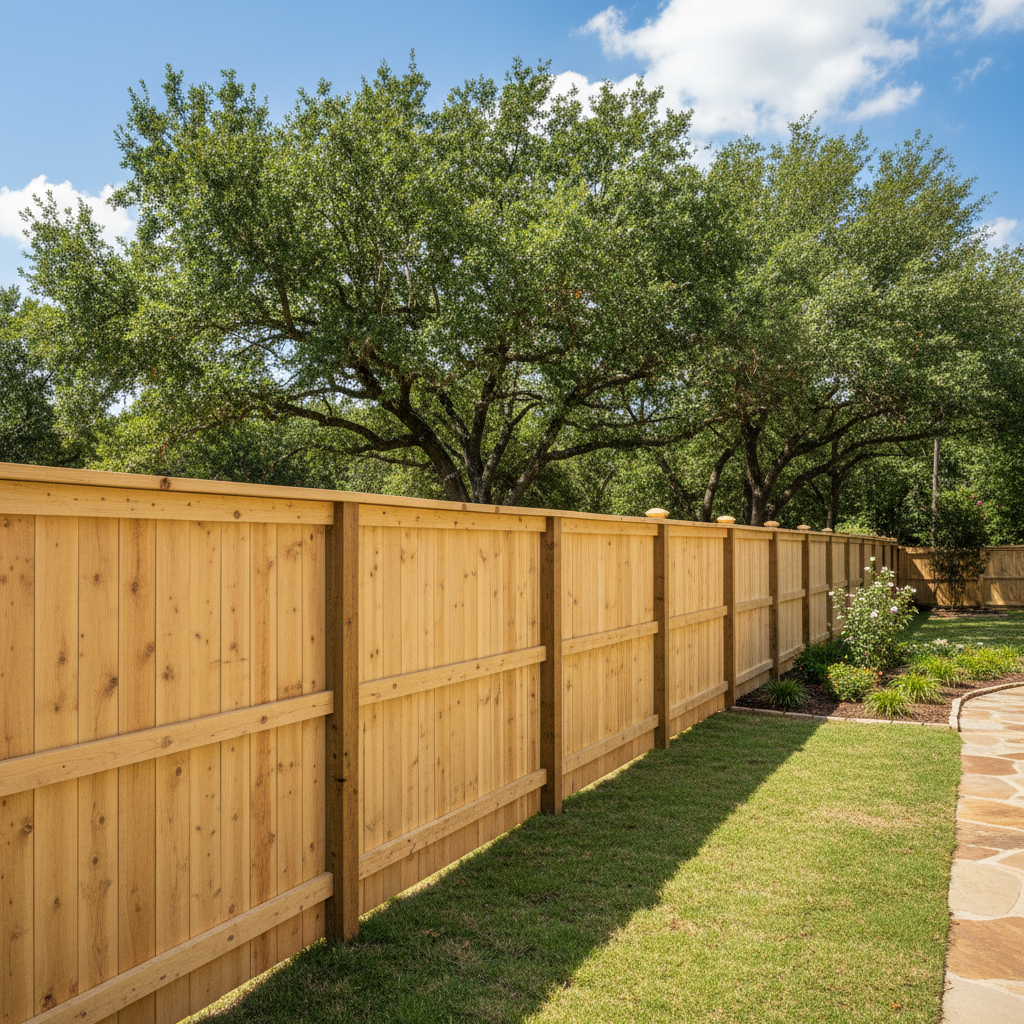
Alright, let's talk farm fences. You've got a lot riding on that fence line – livestock, property lines, peace of mind. Here in New Braunfels, our fences really take a beating, whether it's from the scorching summer sun, those sudden flash floods, or just the regular wear and tear of farm life. So, how do you make sure your investment lasts?
Extend Your Farm Fence's Lifespan
It all starts with good installation, of course. But once it's up, there are things you can do to get the most out of it. For wooden fences, especially cedar or treated pine, regular sealing or painting is huge. I know, it's a chore, but it protects the wood from UV damage and moisture, which are both big problems here. That intense Texas sun will dry out and crack untreated wood faster than you can say 'howdy'.
For wire fences, whether it's barbed, woven, or high-tensile, keeping the tension right is key. Loose wires sag, animals push through, and then you've got a bigger headache. Also, keep an eye on your posts. If they're wood, make sure they're treated and consider concrete collars at the base to prevent rot, especially in areas with poor drainage or where the soil stays wet after a rain. Our clay soils around here can hold moisture, which is rough on untreated wood posts.
What Regular Maintenance Looks Like
Maintenance isn't a one-and-done deal; it's ongoing. I tell folks to do a full fence line inspection at least twice a year, maybe once in the spring before things get too hot, and again in the fall after the really intense summer heat has passed. But honestly, every time you're out on the property, just keep an eye on things.
- Walk the line: Look for loose wires, broken boards, leaning posts, or anything that just doesn't look right.
- Clear vegetation: Weeds and brush growing up against the fence can hold moisture, promote rot, and even push wires loose. Keep a clear perimeter.
- Check gates: Gates get used the most, so hinges, latches, and posts around them are often the first to fail. Lubricate hinges and make sure latches are secure.
- Inspect for rust: On metal components, especially in areas that get wet often, rust can weaken the structure. Address it with rust-inhibiting paint or by replacing small parts before it spreads.
- Animal damage: Be on the lookout for places where livestock might be rubbing, pushing, or chewing on the fence.
Warning Signs of Trouble
You don't want to wait until the cows are out to realize you have a problem. Here are some red flags:
- Sagging wires: This is a classic. It means tension is lost, and it's an open invitation for animals to get through.
- Leaning posts: If a post is leaning significantly, its foundation might be compromised. This could be due to rot, soil erosion, or just a poor initial set.
- Broken insulators: For electric fences, these are critical. A broken insulator means your fence isn't delivering the shock it should, making it ineffective.
- Deep cracks or severe rot in wood: Small cracks are normal, but deep, wide cracks or soft, spongy wood means the structural integrity is going.
- Excessive rust: If metal posts or wire are heavily rusted and flaking, they're losing strength and could fail unexpectedly.
- Loose gate hardware: A wobbly gate that doesn't latch properly is a security risk and will only get worse.
When to Call a Professional
Look, a lot of basic maintenance you can handle yourself. But there are times when it's just smarter, safer, and more cost-effective to bring in the pros. If you're seeing widespread issues, like multiple leaning posts across a long stretch of fence, or if you've got a major section that's been damaged by a tree fall or a vehicle, that's when you call us.
Re-tensioning a whole long run of high-tensile fence can be tricky and even dangerous if you don't have the right tools and experience. Replacing a deeply set corner post that's rotted out requires heavy lifting and specialized equipment to ensure it's set correctly for the long haul. If you're dealing with a large-scale repair or a complete section replacement, especially if it involves specific livestock containment like for horses or cattle, it's best to get an expert opinion.
We've seen it all at New Braunfels Fencing Pros. Sometimes, trying to patch up a failing fence piece by piece ends up costing more in the long run than just getting it done right the first time. Don't hesitate to reach out if you're unsure. We're happy to come take a look and give you an honest assessment of what needs doing.